Postpartum Essentials for New Mums: Complete Checklist
05 October 2026, Baby Discount Shop

If you're a parent in the UK, there's a good chance the advice you've been given about this is either outdated or simply wrong, here's what the evidence actually says.
If you're a parent or parent-to-be in the UK, you'll know that finding reliable, practical information about postpartum essentials for new mums: complete checklist can feel overwhelming. There's so much advice out there, from well-meaning relatives to Instagram influencers, that it's hard to know what to trust. Much of what you'll find online is conflicting, out of date, or written by people with no real experience of caring for a baby. That's why we've put together this guide, drawing on UK health professionals (NHS guidance and health visitors), experienced parents, and the latest research. We'll walk you through the essentials, the common mistakes to avoid, and the questions we're asked most often, so you can make confident decisions for your family.
Looking After Yourself After Birth
The postpartum period is a time of huge physical and emotional change, and it's so important to look after yourself as well as your new baby. Stock up on maternity pads, nursing bras, and comfortable, loose-fitting clothes. If you've had a vaginal birth, a peri bottle and cooling sprays can make a world of difference, and frozen maternity pads are a trick many mums swear by. For C-section mums, high-waisted knickers that sit above your scar are essential, as are comfortable pyjamas that won't rub against your wound. Rest whenever you can, keep pain relief topped up as prescribed, and don't feel guilty about setting boundaries with visitors, your recovery comes first. Your GP will invite you to a 6-week postnatal check, so make the appointment and bring a list of anything that has been niggling you, from stitches to sleep. And don't be afraid to ask for help with cooking, cleaning, and older children.
When it comes to choosing products for postpartum essentials for new mums: complete checklist, it pays to do a little research and invest in quality. Many UK parents swear by trusted brands that offer excellent value, durability, and proper safety certification, but you don't always need the most expensive option on the shelf. Look for items that carry the UKCA or CE mark, have solid reviews from verified purchasers, and come from retailers with a straightforward returns policy. We've rounded up some of our top recommendations at the end of this article, all chosen because they're consistently rated highly by real UK families, to help you get started with confidence.
Nursing and Feeding Support
Whether you're breastfeeding, formula feeding, or a combination of both, having the right equipment makes life easier. A good nursing pillow can help with positioning and take the pressure off your arms and back. Nipple cream is a worth considering for breastfeeding mums in those early weeks, and a comfortable, hands-free pumping bra is a game-changer if you're expressing. Don't forget to stay hydrated, keep a large water bottle next to your feeding spot at all times. If breastfeeding hurts beyond the first few seconds of a feed, or your baby seems unsettled, ask for help early: your midwife, health visitor, or local breastfeeding support group can check your latch and look for tongue-tie. If you're formula feeding, follow the instructions on the box, use the scoop provided, and make up bottles fresh as needed. Whatever way you feed your baby, fed is best, and you're doing brilliantly.
Pelvic Floor and Physical Recovery
Your pelvic floor has been through a lot, and gentle exercise can help your recovery. Pelvic floor exercises (Kegels) are safe to start almost immediately after birth, just squeeze and lift as if you're stopping the flow of urine, holding for a few seconds before releasing. Start gentle walking as soon as you feel able, and build up slowly. Avoid high-impact exercise and heavy lifting for at least 6-8 weeks, or longer if you had a C-section, and ease back into exercise gradually, your core and pelvic floor need time, however you gave birth. If you experience ongoing pain, pelvic heaviness, or leaking, speak to your GP or a pelvic health physiotherapist; the NHS offers pelvic health physiotherapy in many areas, and it can be life-changing. Leaking when you cough or sneeze is common early on, but it is not something you have to just put up with.
When it comes to choosing products for postpartum essentials for new mums: complete checklist, it pays to do a little research and invest in quality. Many UK parents swear by trusted brands that offer excellent value, durability, and proper safety certification, but you don't always need the most expensive option on the shelf. Look for items that carry the UKCA or CE mark, have solid reviews from verified purchasers, and come from retailers with a straightforward returns policy. We've rounded up some of our top recommendations at the end of this article, all chosen because they're consistently rated highly by real UK families, to help you get started with confidence.
Mental Health Matters
The 'baby blues' affect up to 80% of new mums and usually resolve within two weeks. But if you're feeling persistently low, anxious, or overwhelmed, you might be experiencing postnatal depression. This is incredibly common and nothing to be ashamed of, around 1 in 10 new mums experience it, and dads and partners can be affected too. Talk to your health visitor or GP, who can offer support, counselling, or medication if needed. Charities like PANDAS and the NCT run helplines staffed by people who truly understand, and your GP can refer you to specialist perinatal mental health services. Reach out to friends and family, and remember that asking for help is a sign of strength, not weakness. If you ever have thoughts of harming yourself or your baby, call 111, contact your GP urgently, or go to A&E, you matter, and help is always available.
Frequently Asked Questions
How long will the bleeding last after birth? Lochia, the postnatal bleeding, can continue for up to six weeks, tapering off gradually, use maternity pads rather than tampons, and see your GP if bleeding becomes heavy or smelly. When can I start exercising? Gentle walking and pelvic floor exercises from early on are great, but hold off on high-impact exercise and heavy lifting for at least 6-8 weeks, and longer after a C-section. Is it normal to feel so emotional? Very, the baby blues affect up to 80% of new mums and pass within two weeks, but if low mood, anxiety, or intrusive thoughts persist, talk to your GP or health visitor about postnatal depression. When should I seek medical help? If you have a fever, heavy or foul-smelling bleeding, a painful or weeping C-section scar, or feelings of hopelessness, contact your GP or call 111 straight away. And where can I get feeding support? Your midwife and health visitor, local breastfeeding groups, and the National Breastfeeding Helpline are all there for you.
When it comes to choosing products for postpartum essentials for new mums: complete checklist, it pays to do a little research and invest in quality. Many UK parents swear by trusted brands that offer excellent value, durability, and proper safety certification, but you don't always need the most expensive option on the shelf. Look for items that carry the UKCA or CE mark, have solid reviews from verified purchasers, and come from retailers with a straightforward returns policy. We've rounded up some of our top recommendations at the end of this article, all chosen because they're consistently rated highly by real UK families, to help you get started with confidence.
Final Thoughts
We hope this guide to postpartum essentials for new mums: complete checklist has been helpful for you and your family. Remember, every baby is different, and what works for one family might not work for another, and that's absolutely fine. Trust your instincts, ask for help when you need it, and don't be too hard on yourself; parenting is a learning journey for all of us, and no one gets it right all the time. If you have any concerns about your baby's health or development, your health visitor or GP is always the best first port of call, and the NHS website (nhs.uk) is a reliable, free resource for UK parents. And if you're looking for recommended products to help with postpartum essentials for new mums: complete checklist, check out the selection below, each item has been chosen because UK parents consistently rate it highly for quality, safety, and value for money.
🛒 Related Products on Amazon
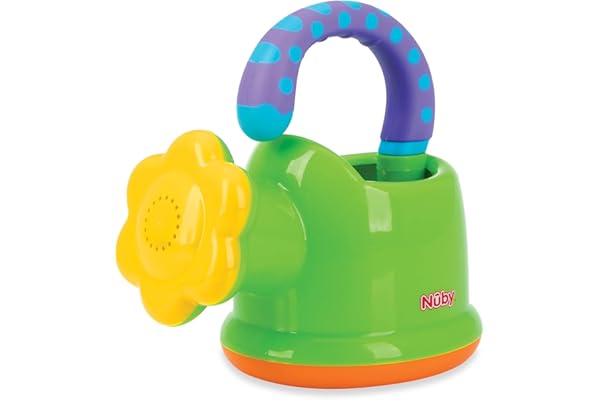
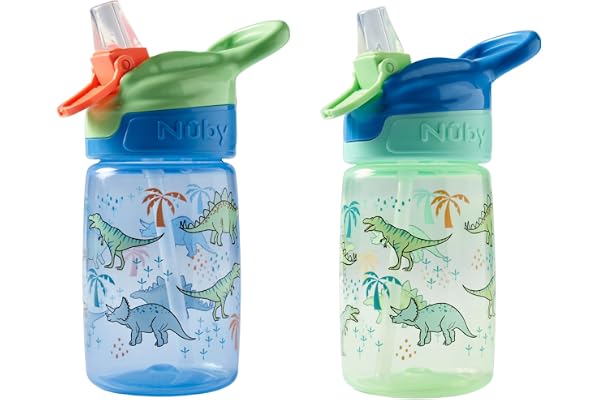
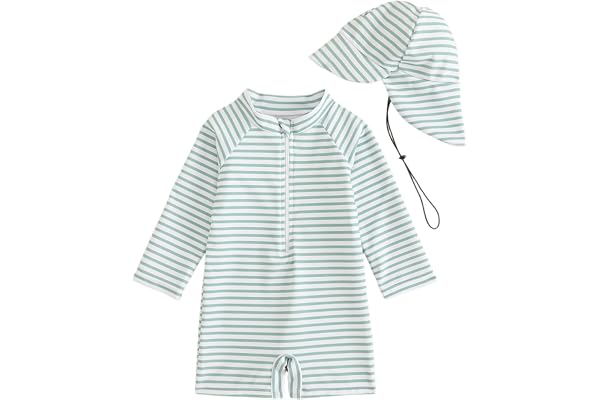
As an Amazon Associate we earn from qualifying purchases.