Nappy Rash: Causes, Prevention & Best Treatments

01 September 2026, Baby Discount Shop

Sleep-deprived parents in the US collectively lose more than 2,000 hours of sleep in their baby's first year, and most of it is avoidable.
If you're a parent or parent-to-be in the US, you'll know that finding reliable, practical information about diaper rash: causes, prevention & best treatments can feel overwhelming. There's so much advice out there, from well-meaning relatives to Instagram influencers, that it's hard to know what to trust. Much of what you'll find online is conflicting, out of date, or written by people with no real experience of caring for a baby. That's why we've put together this guide, drawing on UK health professionals (NHS guidance and health visitors), experienced parents, and the latest research. We'll walk you through the essentials, the common mistakes to avoid, and the questions we're asked most often, so you can make confident decisions for your family.
What Is Nappy Rash?
Nappy rash is a common skin condition that affects most babies at some point. It appears as red, inflamed skin on your baby's bottom, genitals, and sometimes the thighs, and it can range from a mild redness to sore, broken skin that makes your little one miserable. It's caused by prolonged contact with wet or soiled diapers, friction from the diaper rubbing against delicate skin, and sometimes yeast or bacterial infections that thrive in warm, damp conditions. Diarrhoea, teething (which changes the acidity of stools), and starting solid foods can all make diaper rash more likely. While it's uncomfortable for your little one, the good news is that diaper rash is usually easy to treat and prevent with the right approach, and most cases clear up within a few days of consistent care. If the rash persists, looks infected, or your baby seems unwell, always check with your health visitor or GP.
When it comes to choosing products for diaper rash: causes, prevention & best treatments, it pays to do a little research and invest in quality. Many parents swear by trusted brands that offer excellent value, durability, and proper safety certification, but you don't always need the most expensive option on the shelf. Look for items that carry the UKCA or CE mark, have solid reviews from verified purchasers, and come from retailers with a straightforward returns policy. We've rounded up some of our top recommendations at the end of this article, all chosen because they're consistently rated highly by real UK families, to help you get started with confidence.
Prevention Tips Every Parent Should Know
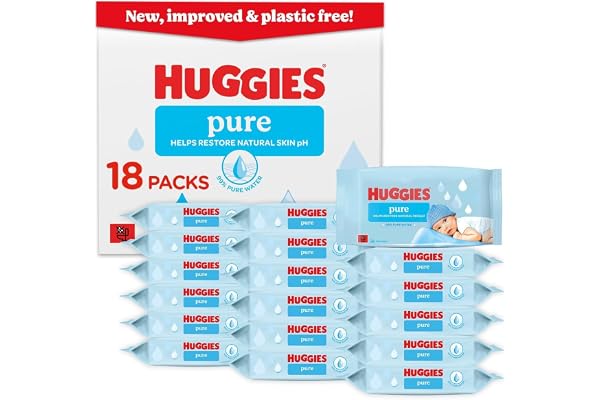
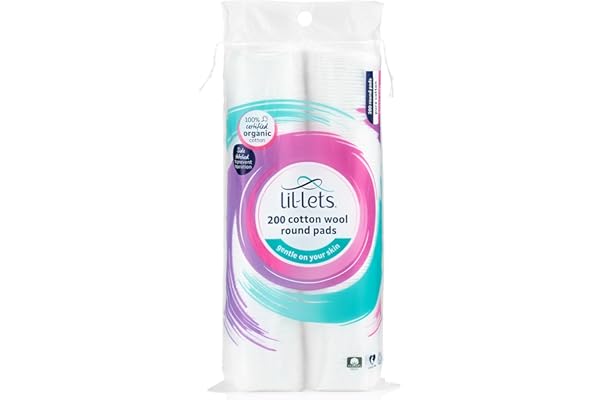
The best treatment for diaper rash is prevention. Change your baby's diaper frequently, every 2-3 hours during the day and immediately after poos, because prolonged contact with wetness is the main trigger. Use warm water and cribton wool or fragrance-free wipes to clean the area gently, wiping front to back for girls to avoid infections. Pat dry rather than rubbing, and let your baby have some diaper-free time each day to let the skin breathe, a towel on the floor after bath time works brilliantly. A thick layer of barrier cream at each change creates a protective seal between your baby's skin and the diaper; a zinc oxide cream works well, and you don't need a huge amount, just a generous smear over the whole area. Make sure diapers aren't fastened too tightly, and if you use cloth diapers, ensure they're washed with a suitable detergent and rinsed thoroughly.
Best Nappy Rash Treatments
For mild diaper rash, zinc oxide creams are very effective and widely available at UK pharmacies. Sudocrem is a firm favorite with parents for a reason, it forms a protective barrier and soothes sore skin. For more stubborn cases, look for creams containing nystatin, hydrocortisone, or clotrimazole, but always check with your health visitor or GP before using these, as they treat specific causes like thrush or inflammation and aren't right for every rash. In between applications, keep the area clean and dry, and give your baby as much diaper-free time as possible. If the rash doesn't improve after a few days of treatment, or if it looks infected (weeping, blisters, pus, or your baby has a fever), seek medical advice promptly. Never use steroid creams without professional guidance, and avoid mixing different treatments without checking first.
When it comes to choosing products for diaper rash: causes, prevention & best treatments, it pays to do a little research and invest in quality. Many parents swear by trusted brands that offer excellent value, durability, and proper safety certification, but you don't always need the most expensive option on the shelf. Look for items that carry the UKCA or CE mark, have solid reviews from verified purchasers, and come from retailers with a straightforward returns policy. We've rounded up some of our top recommendations at the end of this article, all chosen because they're consistently rated highly by real UK families, to help you get started with confidence.
Choosing the Right Nappies
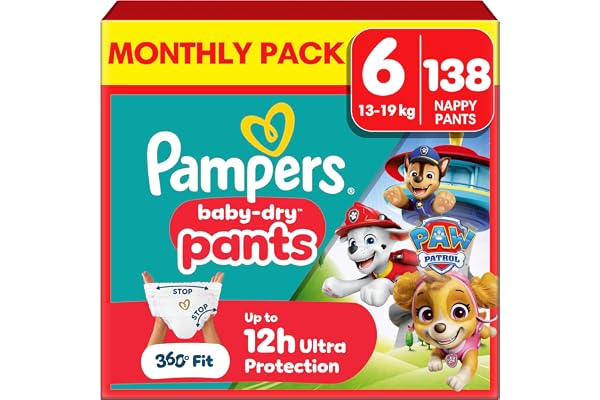
The diaper you choose can make a big difference to how well your baby's skin copes. Some babies are sensitive to certain brands, so it might take some trial and error, buy a small pack before committing to a bulk box. Look for diapers with a wetness indicator, a handy line that changes color when the diaper is wet, which is a godsend for newborn checks, especially at night. Many parents find that a combination of disposable diapers during the day and a more absorbent option at night works best, and overnight diapers genuinely hold more, meaning fewer disturbed nights. Reusable cloth diapers have become much more user-friendly and can be gentler on sensitive skin, and they're far better for the environment and your wallet in the long run. Check the sizing regularly, a diaper that's too small leaks and rubs, while one that's too big gaps at the legs. Whichever you choose, keep a good barrier cream on hand.
Frequently Asked Questions
How often should I change my baby's diaper? Every 2-3 hours during the day and immediately after poos, newborns may need 8-10 changes a day. Can I use baby powder? Most health visitors advise against talcum powder because of breathing risks; barrier creams are the safer option. Is diaper rash a sign of bad care? No, it affects most babies at some point, even with meticulous care; what matters is how you treat it once it appears. When should I worry about diaper rash? See your GP if it doesn't improve after a few days, spreads, weeps or blisters, or your baby seems unwell or has a fever. Are cloth diapers more likely to cause rash? Not necessarily, with correct washing and regular changes, many babies do better in cloth; the key is changing frequently whichever type you use.
When it comes to choosing products for diaper rash: causes, prevention & best treatments, it pays to do a little research and invest in quality. Many parents swear by trusted brands that offer excellent value, durability, and proper safety certification, but you don't always need the most expensive option on the shelf. Look for items that carry the UKCA or CE mark, have solid reviews from verified purchasers, and come from retailers with a straightforward returns policy. We've rounded up some of our top recommendations at the end of this article, all chosen because they're consistently rated highly by real UK families, to help you get started with confidence.
Final Thoughts
We hope this guide to diaper rash: causes, prevention & best treatments has been helpful for you and your family. Remember, every baby is different, and what works for one family might not work for another, and that's absolutely fine. Trust your instincts, ask for help when you need it, and don't be too hard on yourself; parenting is a learning journey for all of us, and no one gets it right all the time. If you have any concerns about your baby's health or development, your health visitor or GP is always the best first port of call, and the NHS website (nhs.uk) is a reliable, free resource for parents. And if you're looking for recommended products to help with diaper rash: causes, prevention & best treatments, check out the selection below, each item has been chosen because parents consistently rate it highly for quality, safety, and value for money.
🛒 Related Products on Amazon
As an Amazon Associate we earn from qualifying purchases.