Eco-Friendly Baby Products: Sustainable Choices for Parents
04 October 2026, Baby Discount Shop

The most expensive baby products on Amazon UK are rarely the safest or the best, here's how to spot the difference before you buy.
If you're a parent or parent-to-be in the UK, you'll know that finding reliable, practical information about eco-friendly baby products: sustainable choices for parents can feel overwhelming. There's so much advice out there, from well-meaning relatives to Instagram influencers, that it's hard to know what to trust. Much of what you'll find online is conflicting, out of date, or written by people with no real experience of caring for a baby. That's why we've put together this guide, drawing on UK health professionals (NHS guidance and health visitors), experienced parents, and the latest research. We'll walk you through the essentials, the common mistakes to avoid, and the questions we're asked most often, so you can make confident decisions for your family.
Why Choose Eco-Friendly Baby Products?
More and more UK parents are thinking about the environmental impact of their baby products. From reusable nappies to wooden toys, eco-friendly choices can reduce your family's carbon footprint significantly, and since babies generate a surprising amount of waste in those first few years, small swaps add up fast. Many eco-friendly products are also free from harsh chemicals, making them gentler on your baby's sensitive skin, which is a real plus for babies prone to eczema. And while some sustainable options have a higher upfront cost, they often save money in the long run, cloth nappies are a perfect example, and wooden toys last for years, ready to be passed on to siblings or sold on. Look for products with genuine eco credentials rather than vague 'green' claims, and remember that buying second-hand is one of the most sustainable choices of all.
When it comes to choosing products for eco-friendly baby products: sustainable choices for parents, it pays to do a little research and invest in quality. Many UK parents swear by trusted brands that offer excellent value, durability, and proper safety certification, but you don't always need the most expensive option on the shelf. Look for items that carry the UKCA or CE mark, have solid reviews from verified purchasers, and come from retailers with a straightforward returns policy. We've rounded up some of our top recommendations at the end of this article, all chosen because they're consistently rated highly by real UK families, to help you get started with confidence.
Reusable Nappies: What You Need to Know
Modern cloth nappies have come a long way from the terry squares your parents might remember. They now come in all-in-one designs with poppers, waterproof covers, and adjustable sizing that fits from birth to potty training, plus pocket and two-part styles to suit different preferences. While the initial investment is higher (around £200-£300 for a full set), you'll save thousands compared to disposables over the years, especially if you use them for a second baby. Many UK councils even offer cashback schemes for parents who choose cloth nappies, and some areas run nappy libraries where you can try different brands before committing. Wash nappies at 30-40°C with a non-bio detergent, skip fabric conditioner, which ruins absorbency, and dry them on the line or over an airer. A couple of wet bags make changes out and about clean and easy.
Sustainable Feeding and Mealtime Choices
Glass baby bottles are a fantastic plastic-free alternative that lasts much longer than plastic, they're easy to sterilise, and they can be recycled when you're finally done with them. Stainless steel sippy cups are durable and BPA-free, surviving toddler drops that would shatter plastic. Silicone weaning spoons, bamboo bowls, and compostable wipeable bibs are all great sustainable choices, and most are dishwasher-safe for busy parents. When introducing solid foods, try making your own purees from seasonal, locally-grown vegetables, it's better for the environment and often more nutritious than shop-bought jars. Batch-cook and freeze in ice-cube trays for quick, waste-free meals, and reuse glass jars for storage. If you do buy pouches, look for recyclable options and rinse them out before recycling. Every small swap counts, and together they all add up.
When it comes to choosing products for eco-friendly baby products: sustainable choices for parents, it pays to do a little research and invest in quality. Many UK parents swear by trusted brands that offer excellent value, durability, and proper safety certification, but you don't always need the most expensive option on the shelf. Look for items that carry the UKCA or CE mark, have solid reviews from verified purchasers, and come from retailers with a straightforward returns policy. We've rounded up some of our top recommendations at the end of this article, all chosen because they're consistently rated highly by real UK families, to help you get started with confidence.
Eco-Friendly Nursery and Clothing
For your baby's nursery, choose furniture made from sustainable wood, non-toxic paint, and organic cotton bedding, and consider second-hand cots and drawers, which are perfectly safe as long as they meet current British safety standards. When it comes to clothing, organic cotton is grown without pesticides and is much kinder to your baby's skin, and GOTS certification is a reliable label to look for. Buy second-hand where you can, babies outgrow clothes so fast that nearly-new items are easy to find on Vinted, eBay, and Facebook Marketplace. Ask friends and family for hand-me-downs too; most parents are delighted to pass things on. Wash baby clothes at 30°C and line-dry where possible, and swap disposable wipes for reusable cloth wipes, they're gentler on skin and on the planet. Bamboo muslins and organic cotton swaddles make lovely, eco-friendly gifts that wash and wear beautifully.
Frequently Asked Questions
Are cloth nappies really worth it? For most families, yes, the upfront cost is higher, but you save a significant amount over two or three years of nappies, especially with council cashback schemes and if you use them for more than one child, and most parents find the washing routine far easier than they feared. Is eco-friendly baby gear more expensive? Sometimes upfront, but sustainable products tend to last longer, hold their resale value, and often work out cheaper in the long run, and second-hand is the greenest and cheapest option of all. How do I wash cloth nappies? At 30-40°C with non-bio detergent, avoid fabric conditioner, and line-dry or air-dry, it is simpler than it sounds. What's the easiest eco swap to start with? Reusable cloth wipes are cheap, easy, and cut a huge amount of single-use waste, so they're a great first step. And are glass baby bottles safe? Yes, they're durable, free from the chemicals found in some plastics, easy to sterilise, and a firm favourite with many UK parents.
When it comes to choosing products for eco-friendly baby products: sustainable choices for parents, it pays to do a little research and invest in quality. Many UK parents swear by trusted brands that offer excellent value, durability, and proper safety certification, but you don't always need the most expensive option on the shelf. Look for items that carry the UKCA or CE mark, have solid reviews from verified purchasers, and come from retailers with a straightforward returns policy. We've rounded up some of our top recommendations at the end of this article, all chosen because they're consistently rated highly by real UK families, to help you get started with confidence.
Final Thoughts
We hope this guide to eco-friendly baby products: sustainable choices for parents has been helpful for you and your family. Remember, every baby is different, and what works for one family might not work for another, and that's absolutely fine. Trust your instincts, ask for help when you need it, and don't be too hard on yourself; parenting is a learning journey for all of us, and no one gets it right all the time. If you have any concerns about your baby's health or development, your health visitor or GP is always the best first port of call, and the NHS website (nhs.uk) is a reliable, free resource for UK parents. And if you're looking for recommended products to help with eco-friendly baby products: sustainable choices for parents, check out the selection below, each item has been chosen because UK parents consistently rate it highly for quality, safety, and value for money.
🛒 Related Products on Amazon
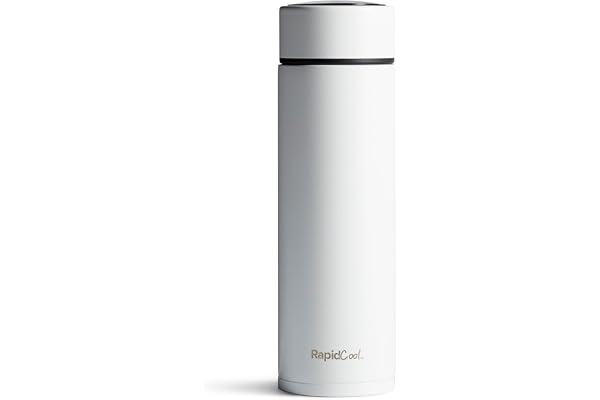
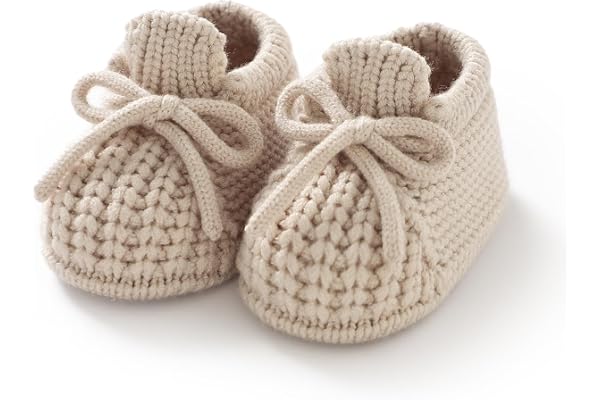
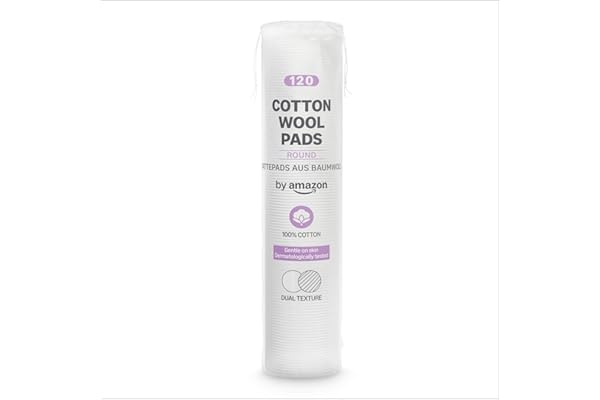
As an Amazon Associate we earn from qualifying purchases.