Best Types of Baby Car Seats: Which Group Do You Need?
07 October 2026, Baby Discount Shop

Most UK parents only learn this the hard way, after the mistakes, the wasted money, and the sleepless nights. This guide exists so you don't have to.
If you're a parent or parent-to-be in the UK, you'll know that finding reliable, practical information about best types of baby car seats: which group do you need? can feel overwhelming. There's so much advice out there, from well-meaning relatives to Instagram influencers, that it's hard to know what to trust. Much of what you'll find online is conflicting, out of date, or written by people with no real experience of caring for a baby. That's why we've put together this guide, drawing on UK health professionals (NHS guidance and health visitors), experienced parents, and the latest research. We'll walk you through the essentials, the common mistakes to avoid, and the questions we're asked most often, so you can make confident decisions for your family.
Understanding Car Seat Groups
In the UK, baby car seats are categorised by weight and height rather than age. Group 0+ seats (birth to 13kg) are rear-facing infant carriers that typically click into a base in your car and can also be used with a pushchair. i-Size seats are becoming the new standard, they're based on your baby's height and offer enhanced side-impact protection. The latest UK regulations recommend keeping your child rear-facing for as long as possible, ideally until at least 15 months. Every seat sold in the UK must comply with either the older ECE R44.04 regulation or the newer R129 (i-Size) standard, the label on the side of the seat tells you which. i-Size seats are fitted using ISOFIX points, which removes most of the risk of incorrect belt fitting. Whatever you choose, buy the seat well before your baby arrives and practise fitting it while you still have time and energy.
When it comes to choosing products for best types of baby car seats: which group do you need?, it pays to do a little research and invest in quality. Many UK parents swear by trusted brands that offer excellent value, durability, and proper safety certification, but you don't always need the most expensive option on the shelf. Look for items that carry the UKCA or CE mark, have solid reviews from verified purchasers, and come from retailers with a straightforward returns policy. We've rounded up some of our top recommendations at the end of this article, all chosen because they're consistently rated highly by real UK families, to help you get started with confidence.
Which Car Seat Group Do You Need?
For newborns, a Group 0+ infant carrier is the most practical choice. These seats are portable, meaning you can lift your sleeping baby out of the car without waking them, and they usually attach to compatible pushchairs. From around 9 months to 4 years, a Group 1 seat (9-18kg) provides excellent protection. Combination seats that span multiple groups can offer better value, though they tend to be bulkier and less portable. After that comes a Group 2/3 booster seat (15-36kg), which most children need from around four years old until they are about 135cm tall. If you want to keep your baby rear-facing longer, look for an extended rear-facing Group 0+/1 seat, these are increasingly popular with UK parents. Check that any seat fits both your car and your baby; many shops let you try seats in your vehicle before buying. Remember that the safest seat is the one that is correctly fitted and used properly on every journey.
Installation and Safety Tips
Getting the installation right is absolutely crucial. Many UK fire stations offer free car seat checks, or you can visit a qualified car seat fitter at a store like Halfords or John Lewis. The seat should not move more than 2.5cm at the belt path when installed. Make sure your baby's harness is snug, you shouldn't be able to pinch any excess webbing at the shoulder. Never use second-hand car seats unless you know their full history, as they may have been in an accident. The chest clip should sit at armpit level and the harness straps should lie flat with no twists. Remove bulky coats and snowsuits before strapping your baby in, a thick coat can leave the harness dangerously loose, so dress baby in thin layers and add a blanket instead. Register your seat with the manufacturer so you are notified of any recalls.
When it comes to choosing products for best types of baby car seats: which group do you need?, it pays to do a little research and invest in quality. Many UK parents swear by trusted brands that offer excellent value, durability, and proper safety certification, but you don't always need the most expensive option on the shelf. Look for items that carry the UKCA or CE mark, have solid reviews from verified purchasers, and come from retailers with a straightforward returns policy. We've rounded up some of our top recommendations at the end of this article, all chosen because they're consistently rated highly by real UK families, to help you get started with confidence.
When to Move to the Next Stage
Move your baby to the next car seat when they reach the maximum weight or height limit of their current seat, or when their head is within 2.5cm of the top of the seat shell. Don't rush to turn your child forward-facing, extended rear-facing is significantly safer. Most European guidelines now recommend rear-facing until at least 4 years of age. The middle seat in the back is generally considered the safest position for a car seat. Once your child moves to a forward-facing seat, keep them in a five-point harness as long as the seat allows before switching to a booster with the adult belt. Never fit a car seat on the front passenger seat with an active airbag, if you must travel with your baby in the front, move the seat fully back and deactivate the airbag. On long journeys, stop every couple of hours so your baby can have a break from the seat.
Frequently Asked Questions
**Is it safe to buy a second-hand car seat?** Only buy a used seat if you know its complete history and can be certain it has never been in an accident. Seats that have been in a crash, even a minor one, should always be replaced. **How long should my baby stay rear-facing?** The longer the better, UK and European guidance recommends rear-facing until at least 15 months, and ideally until four years. Children's necks and spines are much more vulnerable when facing forwards. **Can I use a car seat on the front passenger seat?** Only if the airbag is deactivated and the seat is pushed fully back. Rear-facing seats must never be used with an active airbag. **What should I do if I am unsure my seat is fitted correctly?** Book a free check with your local fire station, a qualified fitter, or a store that offers a fitting service, it takes minutes and gives you total peace of mind.
When it comes to choosing products for best types of baby car seats: which group do you need?, it pays to do a little research and invest in quality. Many UK parents swear by trusted brands that offer excellent value, durability, and proper safety certification, but you don't always need the most expensive option on the shelf. Look for items that carry the UKCA or CE mark, have solid reviews from verified purchasers, and come from retailers with a straightforward returns policy. We've rounded up some of our top recommendations at the end of this article, all chosen because they're consistently rated highly by real UK families, to help you get started with confidence.
Final Thoughts
We hope this guide to best types of baby car seats: which group do you need? has been helpful for you and your family. Remember, every baby is different, and what works for one family might not work for another, and that's absolutely fine. Trust your instincts, ask for help when you need it, and don't be too hard on yourself; parenting is a learning journey for all of us, and no one gets it right all the time. If you have any concerns about your baby's health or development, your health visitor or GP is always the best first port of call, and the NHS website (nhs.uk) is a reliable, free resource for UK parents. And if you're looking for recommended products to help with best types of baby car seats: which group do you need?, check out the selection below, each item has been chosen because UK parents consistently rate it highly for quality, safety, and value for money.
🛒 Related Products on Amazon
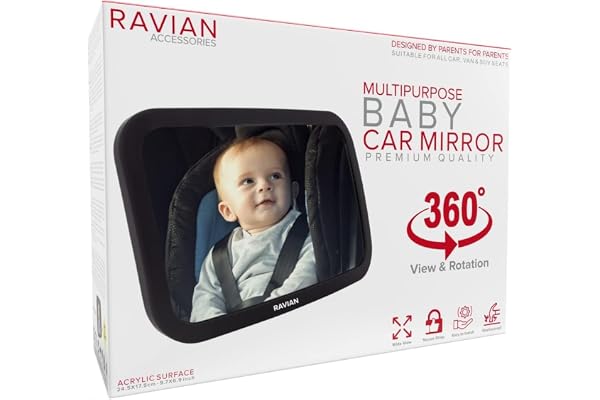
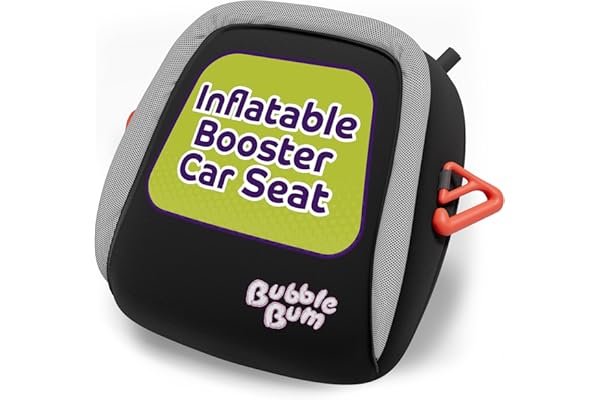
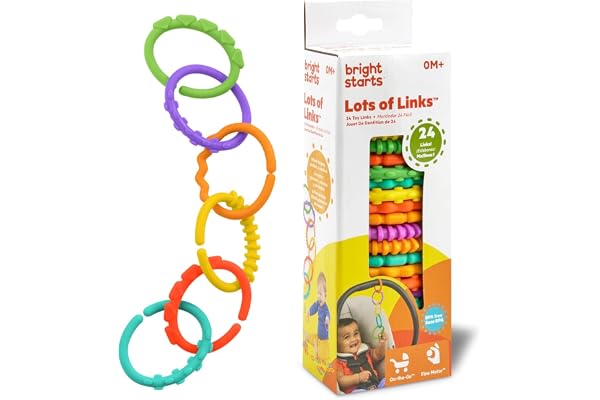
As an Amazon Associate we earn from qualifying purchases.