Baby Teething: Signs, Symptoms & Best Teething Toys
06 October 2026, Baby Discount Shop

Most UK parents only learn this the hard way, after the mistakes, the wasted money, and the sleepless nights. This guide exists so you don't have to.
If you're a parent or parent-to-be in the UK, you'll know that finding reliable, practical information about baby teething: signs, symptoms & best teething toys can feel overwhelming. There's so much advice out there, from well-meaning relatives to Instagram influencers, that it's hard to know what to trust. Much of what you'll find online is conflicting, out of date, or written by people with no real experience of caring for a baby. That's why we've put together this guide, drawing on UK health professionals (NHS guidance and health visitors), experienced parents, and the latest research. We'll walk you through the essentials, the common mistakes to avoid, and the questions we're asked most often, so you can make confident decisions for your family.
When Does Teething Start?
Most babies start teething between 4 and 7 months, though it can happen as early as 3 months or as late as 12 months. The timing is largely genetic, if you or your partner were early or late teethers, your baby is likely to follow suit, and late teething is rarely a cause for concern. The two bottom front teeth (central incisors) usually appear first, followed by the top front teeth, then the side teeth and molars over the following year or two. By the time your child is 3 years old, they should have their full set of 20 primary teeth. From the moment that first tooth appears, brush it twice a day with a smear of age-appropriate fluoride toothpaste, and book your baby in to see a dentist by their first birthday. In the meantime, wipe their gums with a clean, damp cloth to keep their mouth fresh.
When it comes to choosing products for baby teething: signs, symptoms & best teething toys, it pays to do a little research and invest in quality. Many UK parents swear by trusted brands that offer excellent value, durability, and proper safety certification, but you don't always need the most expensive option on the shelf. Look for items that carry the UKCA or CE mark, have solid reviews from verified purchasers, and come from retailers with a straightforward returns policy. We've rounded up some of our top recommendations at the end of this article, all chosen because they're consistently rated highly by real UK families, to help you get started with confidence.
Teething Signs and Symptoms
Common teething signs include excessive drooling, chewing on everything in sight, red and swollen gums, irritability, and disrupted sleep. Your baby might have a mild temperature (under 38°C), but teething does NOT cause high fevers, diarrhoea, or vomiting, if your baby has these symptoms, see your GP, as they point to an illness rather than teeth. Many babies also develop a teething rash on their chin from constant drooling, so keep a soft muslin handy to gently dab their chin throughout the day, and pop a little barrier cream on at night. Some babies tug at their ears when teething, which is easily confused with an ear infection, if your baby also has a fever or seems genuinely unwell, get them checked. You know your baby best, so trust your instincts.
Best Teething Remedies
Chilled (not frozen) teething rings made of food-grade silicone are a safe and effective option, freezing makes them rock-hard and can bruise delicate gums. For older babies who've started solids, chilled cucumber sticks or carrot sticks (supervised) can be soothing to chew on. Clean, damp flannels that you've chilled in the fridge are a simple and free option. Teething gels containing lidocaine are available over the counter for babies over 4 months, use them sparingly, and avoid gels containing alcohol. Teething powders and granules are also popular with UK parents. If your baby is really struggling, infant paracetamol (from 2 months, dosed by weight) or ibuprofen (from 3 months and over 5kg) can help, always follow the dosing instructions on the bottle. Steer clear of amber teething necklaces, which pose a choking and strangulation risk and don't actually work.
When it comes to choosing products for baby teething: signs, symptoms & best teething toys, it pays to do a little research and invest in quality. Many UK parents swear by trusted brands that offer excellent value, durability, and proper safety certification, but you don't always need the most expensive option on the shelf. Look for items that carry the UKCA or CE mark, have solid reviews from verified purchasers, and come from retailers with a straightforward returns policy. We've rounded up some of our top recommendations at the end of this article, all chosen because they're consistently rated highly by real UK families, to help you get started with confidence.
Teething Toys and Accessories
Look for teething toys that are easy for little hands to hold and made from safe, non-toxic materials, food-grade silicone and natural rubber are good choices, and BPA-free is a must. Silicone teethers in fun shapes (animals, keys, or rings) are popular and can be popped in the fridge to chill, though avoid liquid-filled teethers, which can leak and harbour mould. Some teething toys double as baby toothbrushes, helping establish good oral hygiene habits early, soft silicone bristles feel lovely on sore gums. Teething mitts that your baby can wear are brilliant for babies who haven't yet mastered holding objects, and they save tiny fists from being gnawed raw. Choose toys big enough that they can't be swallowed, easy to wash or sterilise, and free of small parts. Rotating a few different textures keeps things interesting for your baby.
Frequently Asked Questions
How can I tell teething from a real illness? Teething can cause mild irritability, drooling, and a slightly raised temperature, but a fever over 38°C, diarrhoea, or vomiting are not teething symptoms, see your GP if those appear, as they usually point to a virus or infection instead. Are amber teething necklaces safe? No, safety experts warn they pose a serious choking and strangulation risk, and there's no evidence they help, so skip them entirely. When should my baby see a dentist? The NHS recommends taking your baby to the dentist by their first birthday, or as soon as their first tooth appears, whichever comes first. What pain relief can I give a teething baby? Infant paracetamol is suitable from 2 months (dosed by weight), and ibuprofen from 3 months for babies over 5kg, always follow the dosing instructions, and use teething gels only from 4 months. How long does teething last? Teeth arrive in waves until around age 3, with the hardest periods usually when the molars break through.
When it comes to choosing products for baby teething: signs, symptoms & best teething toys, it pays to do a little research and invest in quality. Many UK parents swear by trusted brands that offer excellent value, durability, and proper safety certification, but you don't always need the most expensive option on the shelf. Look for items that carry the UKCA or CE mark, have solid reviews from verified purchasers, and come from retailers with a straightforward returns policy. We've rounded up some of our top recommendations at the end of this article, all chosen because they're consistently rated highly by real UK families, to help you get started with confidence.
Final Thoughts
We hope this guide to baby teething: signs, symptoms & best teething toys has been helpful for you and your family. Remember, every baby is different, and what works for one family might not work for another, and that's absolutely fine. Trust your instincts, ask for help when you need it, and don't be too hard on yourself; parenting is a learning journey for all of us, and no one gets it right all the time. If you have any concerns about your baby's health or development, your health visitor or GP is always the best first port of call, and the NHS website (nhs.uk) is a reliable, free resource for UK parents. And if you're looking for recommended products to help with baby teething: signs, symptoms & best teething toys, check out the selection below, each item has been chosen because UK parents consistently rate it highly for quality, safety, and value for money.
🛒 Related Products on Amazon
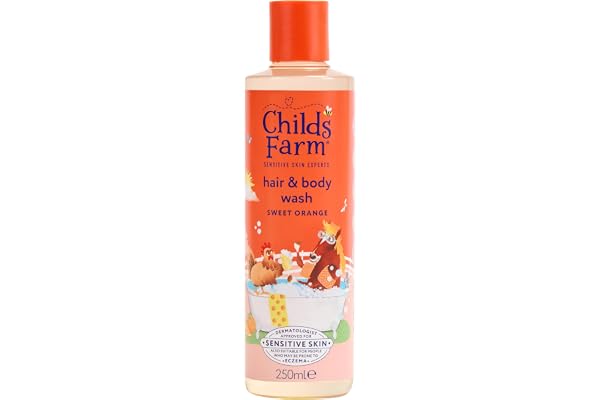
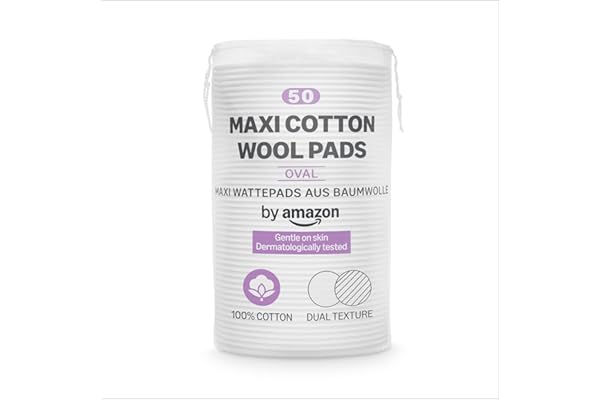
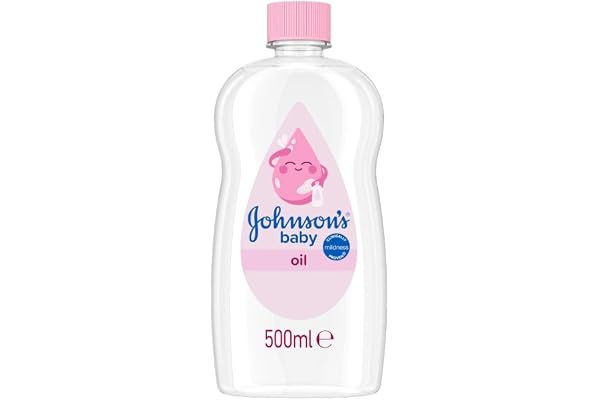
As an Amazon Associate we earn from qualifying purchases.