Baby Sleep Guide: Safe Sleep Rules & How to Help Your Baby Sleep Better
11 July 2026, By Baby Discount Shop
Sleep is one of the biggest worries for new parents, how to make it safe, and how to get a little more of it. The good news is that the science of infant sleep safety is clear and simple to follow, and a few practical habits can genuinely help your baby (and you) rest better. This guide covers the essential safe sleep rules, the ideal nursery setup, TOG ratings, and gentle, realistic tips for longer nights.
What is safe baby sleep? Safe baby sleep means placing a baby on their back, on a firm flat mattress, in a clear crib with no pillows, bumpers, or loose bedding, in a smoke-free room kept at 16–20°C, ideally sharing a room (not a bed) with parents for the first six months. These habits dramatically lower the risk of sudden infant death syndrome (SIDS).
Why safe sleep matters
SIDS is the sudden, unexpected death of an apparently healthy baby, usually during sleep. It is rare, but following evidence-based sleep guidance is the single most effective way parents can reduce the risk. Safe sleep advice has been rigorously studied for over three decades and has saved thousands of lives.
The message is consistent across health authorities worldwide. The American Academy of Pediatrics (AAP) reinforces the value of room-sharing:
The safe sleep ABC
Safe sleep organisations sum up the essentials in three letters, every baby should sleep Alone, on their Back, in a clear Cot:
- Alone, baby has their own clear, flat sleep space with no adults, siblings, pets, pillows, or soft toys sharing it.
- Back, always place baby on their back to sleep, for naps and at night. Once a baby can roll both ways independently, they can find their own position.
- Cot, a firm, flat, waterproof mattress in a crib, crib, or Moses basket that meets current safety standards, with no crib bumpers or loose bedding.
The safe sleep checklist
- Place baby on their back for every sleep.
- Position baby in the "feet to foot" position, feet at the bottom of the crib so they can't wriggle under the covers.
- Keep the crib clear, no pillows, duvets, bumpers, pods, or soft toys.
- Use a firm, flat mattress that fits the crib with no gaps. Explore safe options in our Nursery & Bedding range.
- Keep the room smoke-free and at 16–20°C.
- Room-share for the first six months, baby in their own crib beside your bed.
- Never sleep with your baby on a sofa or armchair, which carries a much higher risk.
Getting the room temperature right
Overheating is a known risk factor for SIDS, so temperature control matters. The NHS advises keeping your baby's room between 16°C and 20°C, with 18°C often cited as ideal. Because it's hard to judge a room's temperature by feel, a simple nursery room thermometer such as the Tommee Tippee GroEgg2 takes the guesswork out, it glows a color to tell you at a glance whether the room is too hot, too cold, or just right.
To check whether your baby is comfortable, feel their chest or the back of their neck, not their hands and feet, which are naturally cooler. If the skin feels hot or sweaty, remove a layer.
TOG ratings and sleeping bags at a glance
A baby sleeping bag (or "grobag") is safer than loose blankets because it can't ride up over the face. TOG measures how warm the bag is, pair it with the room temperature and simple layers underneath:
| Room temperature | Sleeping bag TOG | Suggested clothing underneath |
|---|---|---|
| 24°C and above | 0.5 TOG | Short-sleeve bodysuit or diaper only |
| 21–23°C | 1.0 TOG | Short-sleeve bodysuit |
| 18–20°C | 2.5 TOG | Long-sleeve bodysuit or sleepsuit |
| 16–17°C | 2.5–3.5 TOG | Sleepsuit plus a vest |
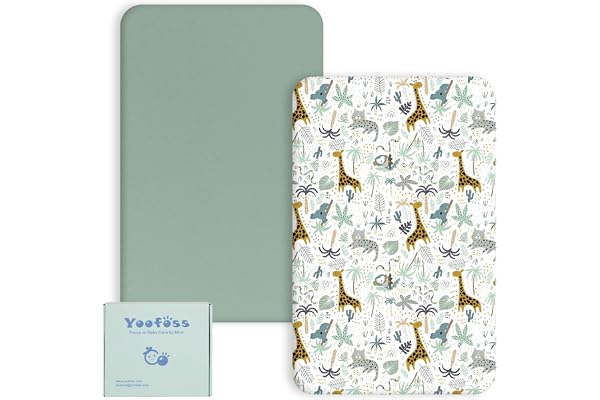
These are general guides, always follow the manufacturer's instructions and adjust for how your individual baby feels. You'll find sleeping bags and fitted sheets in our Nursery & Bedding section.
Setting up the perfect sleep space
A calm, consistent sleep environment helps babies settle and stay asleep:
- Darkness, blackout blinds signal that it's night and support the developing body clock. Keep night feeds and changes dimly lit and low-key.
- White noise, a steady, low-level sound (around 50 dB) can mask household noise and mimic the womb. Place any device well away from the crib.
- A predictable wind-down, a short, repeatable routine (bath, feed, story, crib) cues sleep. Consistency matters more than length.
- A reliable monitor, an audio or video baby monitor lets you keep an ear and eye on the room from anywhere in the home.
How much sleep does a baby need?
Sleep needs change rapidly in the first year. These are typical 24-hour totals, including naps:
- Newborn (0–3 months): 14–17 hours, in short bursts around the clock.
- Baby (4–11 months): 12–15 hours, usually with 2–3 daytime naps.
- Toddler (1–2 years): 11–14 hours, typically with one longer afternoon nap.
Remember that frequent night waking is completely normal in the early months, newborns have tiny tummies and need regular feeds. "Sleeping through the night" often means a five- to six-hour stretch, not twelve uninterrupted hours.
Gentle tips to help your baby sleep longer
- Watch for sleepy cues. Yawning, staring, rubbing eyes, or losing interest mean it's time to settle, catching the window before overtiredness makes settling far easier.
- Distinguish day from night. Keep daytime bright and interactive; keep nights dark, quiet, and boring so the body clock learns the difference.
- Try "drowsy but awake." Putting baby down while sleepy but not fully asleep helps them learn to settle themselves, a skill that pays off over time.
- Keep night feeds calm. Feed, change if needed, and return to the crib with minimal stimulation.
- Be consistent. Babies thrive on repetition. The same cues in the same order, night after night, are what eventually stick.
Every baby is different, and phases of broken sleep will come and go with growth spurts, teething, and developmental leaps. Be patient with your baby and with yourself.
Frequently asked questions
What temperature should a baby's room be for sleep?
Between 16°C and 20°C, with 18°C ideal. Use a room thermometer and match your baby's sleeping bag TOG and clothing to the temperature.
When can a baby sleep through the night?
Many babies begin having longer stretches of six or more hours between 3 and 6 months, but there's huge natural variation. Regular night waking in the first year is normal, not a problem to fix.
Are baby sleeping bags safer than blankets?
Yes. A correctly fitted sleeping bag can't slip over the face and helps maintain a steady temperature, which is why safer-sleep charities prefer them to loose blankets for young babies.
Can I let my baby sleep in a swing or car seat?
These are fine for short supervised periods, but they aren't safe for prolonged or overnight sleep. A baby's airway can be compromised in a semi-upright position, always transfer a sleeping baby to a flat crib when you can.
The bottom line
Safe baby sleep comes down to a handful of consistent habits: back to sleep, a clear and firm crib, a room at 16–20°C, no smoke, and room-sharing for six months. Layer in a calm environment and a predictable routine, and you give your baby the best possible foundation for safe, restful nights. For the cribs, mattresses, sleeping bags, monitors, and thermometers to build that setup, browse our Nursery & Bedding and Monitors & Safety collections.
Disclaimer: This article is general information, not medical advice, always follow guidance from the NHS, The Lullaby Trust, or your health visitor for your individual baby. As an Amazon Associate we earn from qualifying purchases. Prices and availability may change.