Baby Proofing Your Home: Room-by-Room Safety Guide
27 September 2026, Baby Discount Shop

If you're a parent in the UK, there's a good chance the advice you've been given about this is either outdated or simply wrong, here's what the evidence actually says.
If you're a parent or parent-to-be in the UK, you'll know that finding reliable, practical information about baby proofing your home: room-by-room safety guide can feel overwhelming. There's so much advice out there, from well-meaning relatives to Instagram influencers, that it's hard to know what to trust. Much of what you'll find online is conflicting, out of date, or written by people with no real experience of caring for a baby. That's why we've put together this guide, drawing on UK health professionals (NHS guidance and health visitors), experienced parents, and the latest research. We'll walk you through the essentials, the common mistakes to avoid, and the questions we're asked most often, so you can make confident decisions for your family.
Living Room Safety
Your living room is where your baby will spend much of their awake time, so it needs to be baby-proofed thoroughly. Secure bookcases and tall furniture to the wall, even if they seem stable, a climbing toddler can easily pull them over, and furniture anchors are cheap and easy to fit. Corner protectors on sharp coffee tables are a must once your baby starts pulling up and cruising. Cover unused plug sockets with safety caps, and make sure blind cords are tied up high and out of reach, looped cords are a serious strangulation hazard, and the safest option is cordless blinds. Keep small items like batteries, coins, and remote controls out of reach, and move houseplants that are toxic to children. It's also worth checking for loose rugs that can slip, and fitting a fire guard if you have an open fire or log burner. Getting down to your baby's level and crawling around the room is the best way to spot hazards you'd otherwise miss.
When it comes to choosing products for baby proofing your home: room-by-room safety guide, it pays to do a little research and invest in quality. Many UK parents swear by trusted brands that offer excellent value, durability, and proper safety certification, but you don't always need the most expensive option on the shelf. Look for items that carry the UKCA or CE mark, have solid reviews from verified purchasers, and come from retailers with a straightforward returns policy. We've rounded up some of our top recommendations at the end of this article, all chosen because they're consistently rated highly by real UK families, to help you get started with confidence.
Kitchen Dangers
The kitchen is full of potential hazards for little ones, so it deserves special attention. Fit oven locks, hob guards, and childproof catches on all low cupboards, especially those containing cleaning products, which should ideally be stored high up and out of sight entirely. Keep sharp knives and breakable items well out of reach, and never leave them on the edge of a worktop where a climbing toddler could reach them. Always turn pan handles towards the back of the hob so they can't be grabbed, and never leave hot drinks within reaching distance of tiny hands, a mug of tea can cause serious scalds. A stair gate at the kitchen door can be a good idea once your baby is mobile, keeping them out while you're cooking. Never hold your baby while cooking or carrying hot food or drinks, and teach older children to look out for little ones underfoot. Keep a fire blanket and extinguisher accessible, and check that your smoke alarm works.
Nursery and Sleeping Safety
Your baby's nursery should be a safe haven. The Lullaby Trust recommends keeping your baby's cot clear of bumpers, pillows, duvets, and soft toys until at least 12 months, because they increase the risk of suffocation and overheating. Use a firm, flat mattress that fits the cot snugly (no gaps bigger than two fingers), and use a well-fitting sheet. Place your baby on their back to sleep, with their feet at the foot of the cot so they can't wriggle under the covers, and use a suitable baby sleeping bag rather than loose blankets. Keep the room at a comfortable temperature, ideally 16-20°C, and use a room thermometer to monitor it; overheating is a known risk factor for SIDS. Position the cot away from radiators, windows, and blind cords, and never use cot bumpers, pillows, or duvets no matter how cute they look. For naps, the same safe sleep rules apply wherever your baby sleeps.
When it comes to choosing products for baby proofing your home: room-by-room safety guide, it pays to do a little research and invest in quality. Many UK parents swear by trusted brands that offer excellent value, durability, and proper safety certification, but you don't always need the most expensive option on the shelf. Look for items that carry the UKCA or CE mark, have solid reviews from verified purchasers, and come from retailers with a straightforward returns policy. We've rounded up some of our top recommendations at the end of this article, all chosen because they're consistently rated highly by real UK families, to help you get started with confidence.
Stair Safety and Gates
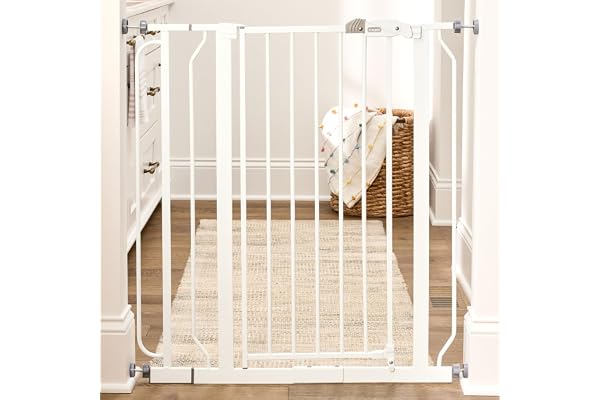
Stair gates are essential once your baby starts crawling. Fit gates at both the top and bottom of the stairs, and get into the habit of closing them every single time. Pressure-mounted gates are fine for the bottom of the stairs, but the top requires a screw-fixed gate for maximum safety, pressure gates can be pushed out of place by a determined toddler. Remember that pressure gates should never be used at the top of stairs. Consider retractable gates that don't create a trip hazard when they're not in use, and check the gate's safety certification and fitting instructions. Teach your baby how to go down stairs safely (feet first, on their tummy) as soon as they're crawling, but never rely on that instead of a gate. Keep stairs clear of toys and clutter, and consider a stair runner or carpet to soften falls. Gates are also useful at other doorways, kitchens, bathrooms, and home offices.
Frequently Asked Questions
When should I start baby-proofing? Ideally before your baby starts moving, around 5-6 months, so everything is in place when the crawling begins. Do I really need furniture anchors? Yes, furniture tip-overs are one of the most common serious accidents in UK homes, and anchors cost only a few pounds. Are stair gates needed for every home? Any home with stairs and a baby or toddler should have gates at both top and bottom; even a single step can be dangerous. What is the most common home accident? Falls, scalds, and choking are the big three; falls from furniture, burns from hot drinks, and small objects all feature heavily in A&E attendances. Should I get a professional baby-proofer? Not necessarily, most families do it themselves using a checklist; the key is covering sockets, anchoring furniture, fitting gates, securing cords, and storing chemicals out of reach.
When it comes to choosing products for baby proofing your home: room-by-room safety guide, it pays to do a little research and invest in quality. Many UK parents swear by trusted brands that offer excellent value, durability, and proper safety certification, but you don't always need the most expensive option on the shelf. Look for items that carry the UKCA or CE mark, have solid reviews from verified purchasers, and come from retailers with a straightforward returns policy. We've rounded up some of our top recommendations at the end of this article, all chosen because they're consistently rated highly by real UK families, to help you get started with confidence.
Final Thoughts
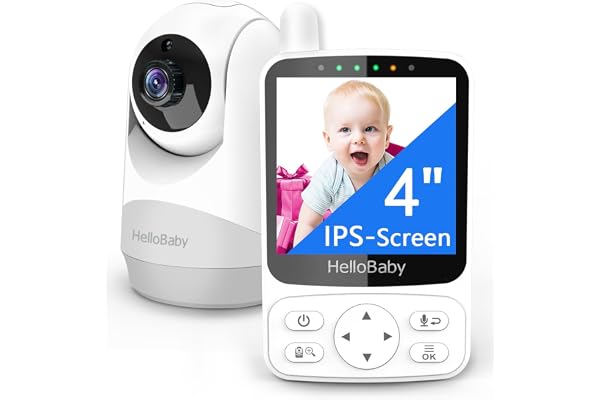
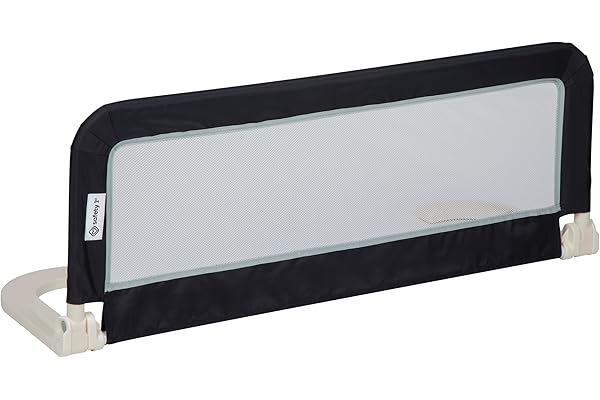
We hope this guide to baby proofing your home: room-by-room safety guide has been helpful for you and your family. Remember, every baby is different, and what works for one family might not work for another, and that's absolutely fine. Trust your instincts, ask for help when you need it, and don't be too hard on yourself; parenting is a learning journey for all of us, and no one gets it right all the time. If you have any concerns about your baby's health or development, your health visitor or GP is always the best first port of call, and the NHS website (nhs.uk) is a reliable, free resource for UK parents. And if you're looking for recommended products to help with baby proofing your home: room-by-room safety guide, check out the selection below, each item has been chosen because UK parents consistently rate it highly for quality, safety, and value for money.
🛒 Related Products on Amazon
As an Amazon Associate we earn from qualifying purchases.