Baby Music & Sensory Development: Best Toys & Activities
09 October 2026, Baby Discount Shop

Most UK parents only learn this the hard way, after the mistakes, the wasted money, and the sleepless nights. This guide exists so you don't have to.
If you're a parent or parent-to-be in the UK, you'll know that finding reliable, practical information about baby music & sensory development: best toys & activities can feel overwhelming. There's so much advice out there, from well-meaning relatives to Instagram influencers, that it's hard to know what to trust. Much of what you'll find online is conflicting, out of date, or written by people with no real experience of caring for a baby. That's why we've put together this guide, drawing on UK health professionals (NHS guidance and health visitors), experienced parents, and the latest research. We'll walk you through the essentials, the common mistakes to avoid, and the questions we're asked most often, so you can make confident decisions for your family.
Why Music Matters for Baby Development
Music isn't just entertaining for babies, it plays a crucial role in their brain development. Research shows that exposure to music in infancy helps develop language skills, improves memory, and enhances spatial-temporal reasoning. The rhythm and patterns in music help babies make sense of the world around them. Even simple nursery rhymes like 'Twinkle Twinkle Little Star' or 'Incy Wincy Spider' help your baby learn about language patterns, rhythm, and sequencing. Babies are born with a natural sensitivity to music, studies show they respond to rhythm before they can understand words, and they even recognise melodies they heard while in the womb. Singing to your baby builds attachment as well as brain connections: the sound of your voice is familiar, comforting, and unique to them. Early years experts in the UK recommend incorporating music into everyday routines, such as singing while changing nappies or during bathtime.
When it comes to choosing products for baby music & sensory development: best toys & activities, it pays to do a little research and invest in quality. Many UK parents swear by trusted brands that offer excellent value, durability, and proper safety certification, but you don't always need the most expensive option on the shelf. Look for items that carry the UKCA or CE mark, have solid reviews from verified purchasers, and come from retailers with a straightforward returns policy. We've rounded up some of our top recommendations at the end of this article, all chosen because they're consistently rated highly by real UK families, to help you get started with confidence.
Best Types of Music for Babies
Babies respond well to simple, repetitive melodies with a clear beat. Classical music, particularly Mozart and Bach, has been shown to have calming effects on infants. Lullabies from around the world share common features, slow tempo, simple descending melodies, and a gentle, rocking rhythm, that seem to be universally soothing. Don't restrict yourself to 'baby music' though; many babies love acoustic versions of folk songs or gentle pop music. Pay attention to volume too, babies' ears are delicate, so keep music at a gentle level and avoid headphones or noisy toys held close to their ears. Experts recommend keeping sound below 60 decibels and taking regular quiet breaks. Live music is wonderful: local libraries, children's centres, and music groups run free or low-cost sessions where babies can experience instruments up close. Songs with actions, like 'The Wheels on the Bus', help older babies learn words and coordination.
Sensory Development Through Sound
From birth, babies are learning to process sounds and distinguish between different noises. Musical toys that make gentle sounds can help develop your baby's auditory skills. Baby rattles, shakers, and simple percussion instruments let your baby explore cause and effect ('I shake this, and it makes a sound!'). Musical mobiles above the cot provide both visual and auditory stimulation that helps your baby learn to focus and track objects. Look for toys that are age-appropriate and carry the British Standard safety mark (BS EN 71), and check that any small parts are securely attached so nothing can be chewed off. Turn-taking games, where you shake a shaker and then pause for your baby to respond, are a wonderful way to build early communication skills. Even household items make great instruments, a wooden spoon on an empty plastic tub is a firm favourite with babies, though be prepared for the noise!
When it comes to choosing products for baby music & sensory development: best toys & activities, it pays to do a little research and invest in quality. Many UK parents swear by trusted brands that offer excellent value, durability, and proper safety certification, but you don't always need the most expensive option on the shelf. Look for items that carry the UKCA or CE mark, have solid reviews from verified purchasers, and come from retailers with a straightforward returns policy. We've rounded up some of our top recommendations at the end of this article, all chosen because they're consistently rated highly by real UK families, to help you get started with confidence.
Best Musical Toys and Activities
Simple instruments like maracas, bells, and drums are perfect for little hands. Musical activity tables that light up and play tunes when buttons are pressed are always a hit. Baby-friendly music classes are widely available across the UK and are a lovely way to bond with your baby while meeting other parents. Singing to your baby, even if you think you're terrible at it, is one of the most powerful things you can do for their development and your bond with them. When choosing instruments, wooden and natural materials are lovely; you can buy single instruments cheaply or pick up a small percussion set. Music classes like Jo Jingles, Rhythm Time, and Monkey Music run sessions for babies from around three months old, and many libraries host free sing-along groups. Most importantly, make music part of your daily routine, a song before bed, a dance in the kitchen, or a lullaby at naptime all count.
Frequently Asked Questions
**When should I start playing music for my baby?** You can start while you are still pregnant, babies can hear from around 23 weeks in the womb and will often respond to familiar songs after birth. Singing the same songs each day helps babies predict what comes next, which is wonderfully reassuring. **How loud should music be for a baby?** Keep it gentle, below about 60 decibels, and never place speakers or noisy toys right next to their ears. Their hearing is still developing and easily damaged. **What if my baby doesn't seem interested in music?** Don't worry, babies develop at their own pace. Keep music relaxed and fun, try different styles, and remember that your voice is the most engaging sound of all. Even a few minutes a day makes a difference. **Do I need to buy expensive instruments?** Not at all, homemade shakers (a sealed bottle of rice), saucepans and wooden spoons, and free library music sessions are all you need to start.
When it comes to choosing products for baby music & sensory development: best toys & activities, it pays to do a little research and invest in quality. Many UK parents swear by trusted brands that offer excellent value, durability, and proper safety certification, but you don't always need the most expensive option on the shelf. Look for items that carry the UKCA or CE mark, have solid reviews from verified purchasers, and come from retailers with a straightforward returns policy. We've rounded up some of our top recommendations at the end of this article, all chosen because they're consistently rated highly by real UK families, to help you get started with confidence.
Final Thoughts
We hope this guide to baby music & sensory development: best toys & activities has been helpful for you and your family. Remember, every baby is different, and what works for one family might not work for another, and that's absolutely fine. Trust your instincts, ask for help when you need it, and don't be too hard on yourself; parenting is a learning journey for all of us, and no one gets it right all the time. If you have any concerns about your baby's health or development, your health visitor or GP is always the best first port of call, and the NHS website (nhs.uk) is a reliable, free resource for UK parents. And if you're looking for recommended products to help with baby music & sensory development: best toys & activities, check out the selection below, each item has been chosen because UK parents consistently rate it highly for quality, safety, and value for money.
🛒 Related Products on Amazon
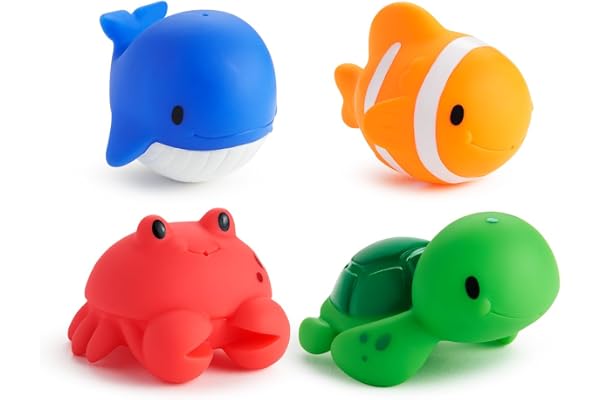
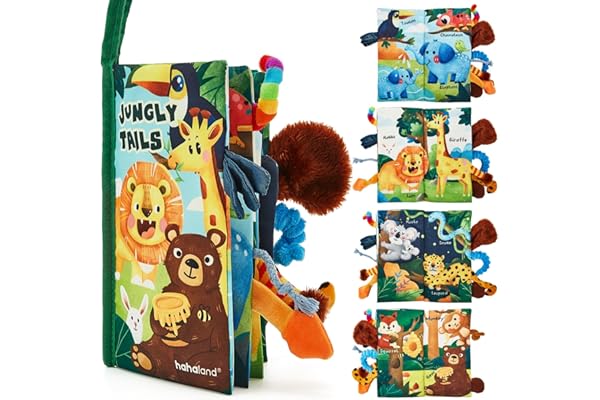
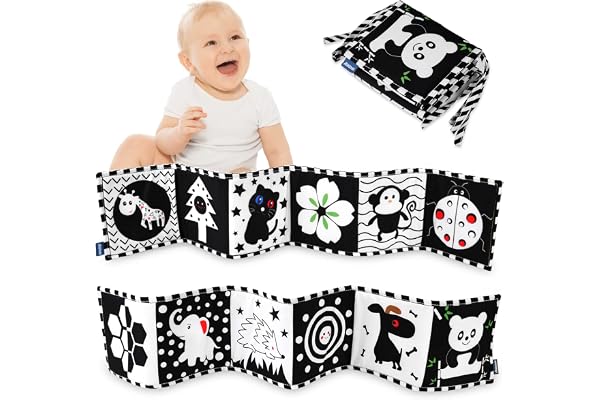
As an Amazon Associate we earn from qualifying purchases.