Baby Milestones: Month-by-Month Development Guide
03 October 2026, Baby Discount Shop

Most UK parents only learn this the hard way, after the mistakes, the wasted money, and the sleepless nights. This guide exists so you don't have to.
If you're a parent or parent-to-be in the UK, you'll know that finding reliable, practical information about baby milestones: month-by-month development guide can feel overwhelming. There's so much advice out there, from well-meaning relatives to Instagram influencers, that it's hard to know what to trust. Much of what you'll find online is conflicting, out of date, or written by people with no real experience of caring for a baby. That's why we've put together this guide, drawing on UK health professionals (NHS guidance and health visitors), experienced parents, and the latest research. We'll walk you through the essentials, the common mistakes to avoid, and the questions we're asked most often, so you can make confident decisions for your family.
Newborn to 3 Months
The first three months are a period of rapid adjustment for both you and your baby. Your newborn will start focusing on faces and following objects with their eyes. Around 6-8 weeks, you'll get that first social smile, and it makes all the tiredness worth it! Your baby will start making cooing sounds, lifting their head briefly during tummy time, and beginning to explore their hands. Tummy time matters from day one: a few short, supervised sessions a day, starting with a minute or two, build the neck and shoulder strength babies need. Your health visitor will track your baby's progress in their red book and will see you for the 6-8 week review, so jot down any questions beforehand. Every baby develops at their own pace, so try not to compare your little one to others, and if you're ever worried, your health visitor or GP is only a phone call away.
When it comes to choosing products for baby milestones: month-by-month development guide, it pays to do a little research and invest in quality. Many UK parents swear by trusted brands that offer excellent value, durability, and proper safety certification, but you don't always need the most expensive option on the shelf. Look for items that carry the UKCA or CE mark, have solid reviews from verified purchasers, and come from retailers with a straightforward returns policy. We've rounded up some of our top recommendations at the end of this article, all chosen because they're consistently rated highly by real UK families, to help you get started with confidence.
4 to 6 Months
This is an exciting period where your baby becomes much more interactive. They'll start rolling over (usually front to back first, then back to front), reaching for toys, and putting everything in their mouth, which is their way of exploring the world. Around 6 months, many babies start sitting with support, and you might hear their first babbling sounds like 'baba' or 'dada'. This is also when teething often begins, so keep an eye out for drooling, fussiness, and a desire to gnaw on everything. The NHS recommends starting solid foods at around 6 months, when your baby can sit up with support, hold their head steady, and swallow food rather than pushing it back out, watch for those signs rather than relying on the calendar alone. Keep up with tummy time, and give your baby plenty of safe things to grasp, mouth, and shake.
7 to 9 Months
Mobility really takes off in this stage. Your baby may start crawling (though some babies skip this and go straight to pulling up, while others bottom-shuffle or commando-crawl instead), and they'll definitely start getting into everything! This is the moment to baby-proof seriously: cover sockets, fix tall furniture to the wall, and get down to floor level to spot hazards you never noticed before. They'll begin understanding simple words like 'no' and their own name, and may respond to 'peek-a-boo' with delighted giggles. Separation anxiety often peaks around this age, which is completely normal, your baby has learned that you exist even when out of sight, and that is a big developmental step. Encourage their development with plenty of floor time, safe spaces to explore, and lots of face-to-face interaction, picture books, and chat.
When it comes to choosing products for baby milestones: month-by-month development guide, it pays to do a little research and invest in quality. Many UK parents swear by trusted brands that offer excellent value, durability, and proper safety certification, but you don't always need the most expensive option on the shelf. Look for items that carry the UKCA or CE mark, have solid reviews from verified purchasers, and come from retailers with a straightforward returns policy. We've rounded up some of our top recommendations at the end of this article, all chosen because they're consistently rated highly by real UK families, to help you get started with confidence.
10 to 12 Months
The end of the first year is filled with exciting developments. Many babies start cruising along furniture around 10-11 months, and some might take their first steps around their first birthday, though plenty of perfectly healthy babies walk later, so don't worry if yours is happy to crawl. They'll start using gestures like waving and pointing, and might say their first real words, usually 'mama', 'dada', or the name of a beloved pet. Pincer grasp (using thumb and finger to pick up small objects) develops around this time, making self-feeding much more effective, and messier! Offer soft finger foods cut into safe shapes, and let your baby practise with a spoon even if most of it ends up on the floor. Your health visitor will do a developmental review around 12 months, and bare feet are best for little walkers until shoes are truly needed.
Frequently Asked Questions
What if my baby hasn't hit a milestone yet? Milestone ranges are wide, and 'normal' covers a lot of ground, a baby who walks at 10 months and one who walks at 16 months can both be perfectly healthy. Your red book shows typical ranges, and your health visitor or GP is the best judge if you're worried. When should my baby start talking? Most babies babble by 6-9 months and say their first recognisable words around their first birthday, but some chatty babies start later and catch up quickly. How much tummy time should my baby have? Start with a minute or two from birth, several times a day, always supervised, and build up as your baby grows stronger. Is it a problem if my baby skips crawling? No, some babies bottom-shuffle or go straight to cruising and walking, which is perfectly normal. When should I seek help? If your baby loses skills they once had, isn't responding to sounds, or you're simply worried, see your GP or health visitor early, it's always better to ask than to worry.
When it comes to choosing products for baby milestones: month-by-month development guide, it pays to do a little research and invest in quality. Many UK parents swear by trusted brands that offer excellent value, durability, and proper safety certification, but you don't always need the most expensive option on the shelf. Look for items that carry the UKCA or CE mark, have solid reviews from verified purchasers, and come from retailers with a straightforward returns policy. We've rounded up some of our top recommendations at the end of this article, all chosen because they're consistently rated highly by real UK families, to help you get started with confidence.
Final Thoughts
We hope this guide to baby milestones: month-by-month development guide has been helpful for you and your family. Remember, every baby is different, and what works for one family might not work for another, and that's absolutely fine. Trust your instincts, ask for help when you need it, and don't be too hard on yourself; parenting is a learning journey for all of us, and no one gets it right all the time. If you have any concerns about your baby's health or development, your health visitor or GP is always the best first port of call, and the NHS website (nhs.uk) is a reliable, free resource for UK parents. And if you're looking for recommended products to help with baby milestones: month-by-month development guide, check out the selection below, each item has been chosen because UK parents consistently rate it highly for quality, safety, and value for money.
🛒 Related Products on Amazon
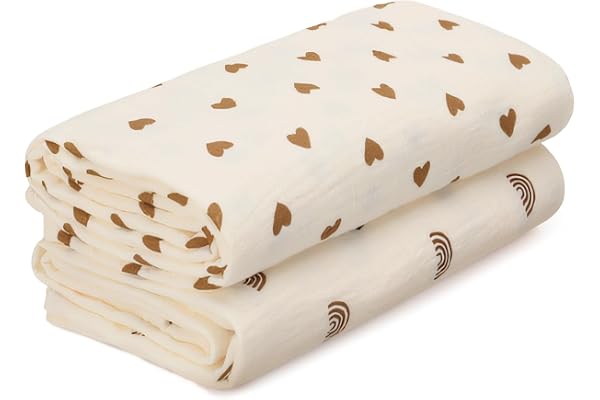
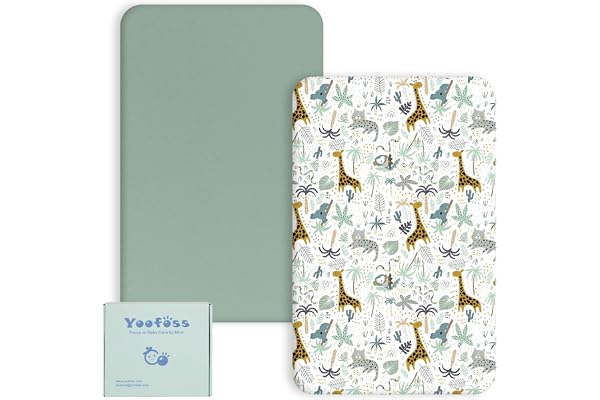
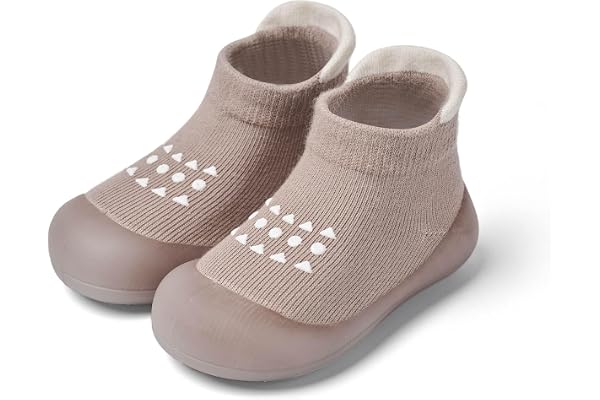
As an Amazon Associate we earn from qualifying purchases.