Baby-Led Weaning: A Complete Starter Guide
11 October 2026, Baby Discount Shop
Every year, thousands of UK parents are told to start weaning at four months, the NHS says six. Getting this wrong is the most common feeding mistake there is.
If you're a parent or parent-to-be in the UK, you'll know that finding reliable, practical information about baby-led weaning: a complete starter guide can feel overwhelming. There's so much advice out there, from well-meaning relatives to Instagram influencers, that it's hard to know what to trust. Much of what you'll find online is conflicting, out of date, or written by people with no real experience of caring for a baby. That's why we've put together this guide, drawing on UK health professionals (NHS guidance and health visitors), experienced parents, and the latest research. We'll walk you through the essentials, the common mistakes to avoid, and the questions we're asked most often, so you can make confident decisions for your family.
When to Start Weaning
The NHS recommends starting weaning at around 6 months. By this age, most babies are ready to start exploring solid foods alongside their milk feeds, and their digestive systems and swallowing skills have developed enough to cope. Signs of readiness include being able to sit up with support, good head control, and showing interest in what you're eating, reaching for your food, watching you eat, and opening their mouth when a spoon approaches. Remember, every baby is different, some might need a little more time, and that's perfectly fine. Starting before 6 months is not recommended because your baby's kidneys and gut aren't ready, and the NHS advises that solids should never replace milk feeds before this point. If you're unsure whether your little one is ready, your health visitor can offer guidance and reassurance.
When it comes to choosing products for baby-led weaning: a complete starter guide, it pays to do a little research and invest in quality. Many UK parents swear by trusted brands that offer excellent value, durability, and proper safety certification, but you don't always need the most expensive option on the shelf. Look for items that carry the UKCA or CE mark, have solid reviews from verified purchasers, and come from retailers with a straightforward returns policy. We've rounded up some of our top recommendations at the end of this article, all chosen because they're consistently rated highly by real UK families, to help you get started with confidence.
First Foods to Try
Start with simple, single-vegetable purees like carrot, parsnip, or sweet potato, which have a naturally mild flavour and smooth texture. Baby rice mixed with your baby's usual milk is also a gentle introduction that's easy to digest. Move on to fruit purees like apple, pear, or banana, and then gradually introduce more complex flavours and textures. Always introduce one new food at a time, waiting two to three days before adding another, so you can spot any allergic reactions easily. Baby-led weaning, where you offer soft finger foods instead of purees, is also very popular with UK parents and can help develop your little one's fine motor skills, hand-eye coordination, and independence at mealtimes. Whichever approach you choose, offer iron-rich foods early, such as well-cooked minced meat, pulses, and fortified baby cereals, because your baby's iron stores begin to run low around 6 months.
Essential Weaning Equipment
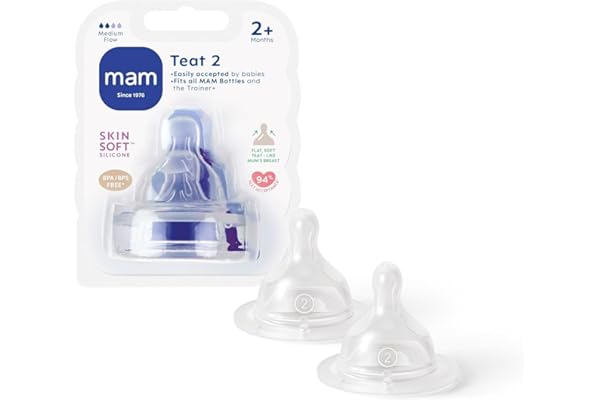
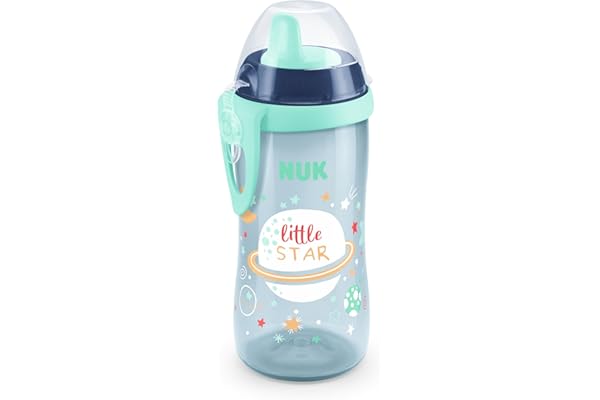
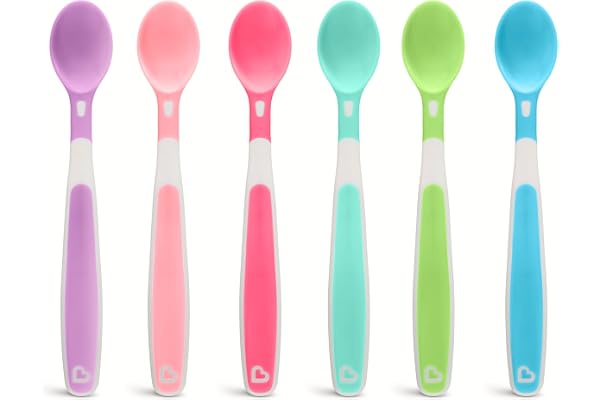
A good set of weaning spoons with soft tips, some easy-to-clean bowls with suction bases (to prevent launching across the room), and plenty of bibs are essential. Look for bowls and plates with dividers if you're offering different foods, and silicone options are brilliant because they're durable, dishwasher-safe, and gentle on gums. A steam blender or food processor makes preparing batches of homemade purees quick and simple, and you don't need an expensive one, a basic model does the job. Ice cube trays are brilliant for freezing portions, just pop one out, defrost, and serve, which saves you preparing food from scratch every single day. A splash mat under the highchair, a wipe-clean highchair with a removable tray, and a free-flow cup (rather than a bottle) from around 6 months round out the essential kit. You don't need to buy everything at once; start with the basics and add as you go.
When it comes to choosing products for baby-led weaning: a complete starter guide, it pays to do a little research and invest in quality. Many UK parents swear by trusted brands that offer excellent value, durability, and proper safety certification, but you don't always need the most expensive option on the shelf. Look for items that carry the UKCA or CE mark, have solid reviews from verified purchasers, and come from retailers with a straightforward returns policy. We've rounded up some of our top recommendations at the end of this article, all chosen because they're consistently rated highly by real UK families, to help you get started with confidence.
Foods to Avoid
Don't add salt or sugar to your baby's food, their kidneys can't process salt properly and sweet tastes can encourage a preference for sugary foods. Avoid honey until after 12 months due to the risk of infant botulism. Whole nuts, grapes, and cherry tomatoes are choking hazards, always cut them lengthways into quarters and crush or grind nuts. Raw or runny eggs, unpasteurised cheeses, and certain fish (like shark, swordfish, and marlin) should also be avoided, and limit oily fish like salmon and mackerel to two portions a week. Stick to full-fat dairy products as babies need the extra calories for growth and development, and never give your baby rice drinks before 5 years because of the low levels of arsenic they contain. Also avoid low-fat, diet, or 'light' products, and steer clear of sugary drinks and fruit juices, water or milk is all they need.
Frequently Asked Questions
How much food should my baby eat at each meal? Start with one or two teaspoons and let your baby guide you, appetite varies daily, and milk should remain the main source of nutrition until around 12 months. What if my baby refuses a food? That's completely normal; it can take up to 10-15 tries before a baby accepts a new taste, so keep offering it calmly without pressure. Can I mix puree and baby-led weaning? Yes, many UK families use a combination, there's no rule that says you must pick one approach. When should I move to three meals a day? Around 7-9 months, most babies are ready for three meals plus milk feeds, with finger foods introduced from about 7 months. What about allergies? Introduce allergenic foods like eggs, peanuts, and fish one at a time from 6 months; if you have a family history of allergies, talk to your health visitor or GP first.
When it comes to choosing products for baby-led weaning: a complete starter guide, it pays to do a little research and invest in quality. Many UK parents swear by trusted brands that offer excellent value, durability, and proper safety certification, but you don't always need the most expensive option on the shelf. Look for items that carry the UKCA or CE mark, have solid reviews from verified purchasers, and come from retailers with a straightforward returns policy. We've rounded up some of our top recommendations at the end of this article, all chosen because they're consistently rated highly by real UK families, to help you get started with confidence.
Final Thoughts
We hope this guide to baby-led weaning: a complete starter guide has been helpful for you and your family. Remember, every baby is different, and what works for one family might not work for another, and that's absolutely fine. Trust your instincts, ask for help when you need it, and don't be too hard on yourself; parenting is a learning journey for all of us, and no one gets it right all the time. If you have any concerns about your baby's health or development, your health visitor or GP is always the best first port of call, and the NHS website (nhs.uk) is a reliable, free resource for UK parents. And if you're looking for recommended products to help with baby-led weaning: a complete starter guide, check out the selection below, each item has been chosen because UK parents consistently rate it highly for quality, safety, and value for money.
🛒 Related Products on Amazon

As an Amazon Associate we earn from qualifying purchases.