Baby Bath Time: Essential Tips for New Parents
29 September 2026, Baby Discount Shop
Most UK parents only learn this the hard way, after the mistakes, the wasted money, and the sleepless nights. This guide exists so you don't have to.
If you're a parent or parent-to-be in the UK, you'll know that finding reliable, practical information about baby bath time: essential tips for new parents can feel overwhelming. There's so much advice out there, from well-meaning relatives to Instagram influencers, that it's hard to know what to trust. Much of what you'll find online is conflicting, out of date, or written by people with no real experience of caring for a baby. That's why we've put together this guide, drawing on UK health professionals (NHS guidance and health visitors), experienced parents, and the latest research. We'll walk you through the essentials, the common mistakes to avoid, and the questions we're asked most often, so you can make confident decisions for your family.
When and How Often to Bathe Your Baby
Newborns don't need daily baths, two to three times a week is plenty, as long as you're keeping their nappy area and face clean between baths. A bath more often than this can dry out their sensitive skin, and for the first month the NHS recommends plain water only, with no soap or bath products at all. Choose a time when your baby is alert and content, and when you won't be rushed. Many UK parents find that an evening bath fits well into a bedtime routine and helps their little one settle for the night. Try to avoid bathing straight after a feed, as the jiggling can bring up milk, and skip the bath if your baby has a fever or is clearly unwell, a quick top-and-tail wash with a warm flannel will do instead. On very hot days, a cool flannel wipe-down can be more soothing than a full bath.
When it comes to choosing products for baby bath time: essential tips for new parents, it pays to do a little research and invest in quality. Many UK parents swear by trusted brands that offer excellent value, durability, and proper safety certification, but you don't always need the most expensive option on the shelf. Look for items that carry the UKCA or CE mark, have solid reviews from verified purchasers, and come from retailers with a straightforward returns policy. We've rounded up some of our top recommendations at the end of this article, all chosen because they're consistently rated highly by real UK families, to help you get started with confidence.
Essential Bath Time Equipment
A baby bath or bath support seat makes bathing your newborn much easier and safer than using the big bath. Look for one with a non-slip surface and good head support, and check that it carries a recognised British safety standard mark. If you use a suction bath seat, remember it is not a safety device, seats can tip over, so your hands must stay on your baby at all times. A bath thermometer takes the guesswork out of getting the temperature right, though your elbow works just as well in a pinch. Soft hooded towels are brilliant for wrapping your little one up warm after their bath. Keep all your essentials within arm's reach: baby bath wash, a soft sponge or cloth, a clean nappy, and their sleepsuit ready to go. A plastic jug for rinsing, a waterproof mat to kneel on, and a nappy sack for the wet nappy will save your knees, your back, and your sanity.
Step-by-Step Bathing Guide
Fill the bath with about 10-15cm of warm water (around 37°C, check with your elbow or a bath thermometer). Always test the water temperature before putting your baby in, and mix the water thoroughly so there are no hot patches. Support your baby's head and neck with one arm while you use the other to gently wash them. Start with their face using plain water, then work down, and clean their nappy area last, wipe girls front to back, and never try to pull back a boy's foreskin. For hair, tilt your baby's head back and use a tiny amount of mild baby shampoo if needed. Lift them out carefully onto a warm towel and pat them dry, paying special attention to skin folds, behind the ears, and between little fingers and toes. A light pat of fragrance-free moisturiser on any dry patches keeps newborn skin soft, and popping a fresh nappy on straight away avoids accidents on the towel.
When it comes to choosing products for baby bath time: essential tips for new parents, it pays to do a little research and invest in quality. Many UK parents swear by trusted brands that offer excellent value, durability, and proper safety certification, but you don't always need the most expensive option on the shelf. Look for items that carry the UKCA or CE mark, have solid reviews from verified purchasers, and come from retailers with a straightforward returns policy. We've rounded up some of our top recommendations at the end of this article, all chosen because they're consistently rated highly by real UK families, to help you get started with confidence.
Bath Time Safety
Never, ever leave your baby unattended in the bath, even for a second. If the doorbell or phone rings, ignore it or take your baby with you. The ideal room temperature for bath time is around 24°C, so close the windows and warm the bathroom up beforehand on chilly days. Run the cold tap first when filling the bath, and then add hot water, mixing thoroughly. Always check the temperature before putting your baby in, and re-check it halfway through, as water cools quickly. Keep electrical items well away from water, and make sure your water heater thermostat is set to below 48°C to prevent scalding. Fill the bath only deep enough to cover your baby's legs, keep one hand on them at all times, and wipe up spills afterwards so you don't slip while carrying a wet, wriggly baby. Babies can drown in just a few centimetres of water, so constant vigilance is everything.
Frequently Asked Questions
How often should I bathe my baby? For the first few months, two to three baths a week is plenty, daily bathing strips the natural oils from newborn skin and can worsen dryness or eczema. In between, a daily top-and-tail with a warm flannel keeps your baby fresh and clean. When is the best time to bathe? An evening bath slots neatly into a bedtime routine and helps your baby wind down, but any time they are calm and alert works well. Avoid bathing straight after a feed, as it can bring up milk. What temperature should the water be? Around 37°C, warm, not hot. A bath thermometer is handy, but your elbow is a perfectly reliable tester. Is it okay to use bath products? The NHS advises plain water for the first month, then mild, fragrance-free baby products if you want them. Skip bubble bath altogether, as it can irritate delicate skin. What if my baby hates bath time? Keep it short and warm, try a different time of day, and talk or sing throughout, most babies grow to love it once they feel secure.
When it comes to choosing products for baby bath time: essential tips for new parents, it pays to do a little research and invest in quality. Many UK parents swear by trusted brands that offer excellent value, durability, and proper safety certification, but you don't always need the most expensive option on the shelf. Look for items that carry the UKCA or CE mark, have solid reviews from verified purchasers, and come from retailers with a straightforward returns policy. We've rounded up some of our top recommendations at the end of this article, all chosen because they're consistently rated highly by real UK families, to help you get started with confidence.
Final Thoughts
We hope this guide to baby bath time: essential tips for new parents has been helpful for you and your family. Remember, every baby is different, and what works for one family might not work for another, and that's absolutely fine. Trust your instincts, ask for help when you need it, and don't be too hard on yourself; parenting is a learning journey for all of us, and no one gets it right all the time. If you have any concerns about your baby's health or development, your health visitor or GP is always the best first port of call, and the NHS website (nhs.uk) is a reliable, free resource for UK parents. And if you're looking for recommended products to help with baby bath time: essential tips for new parents, check out the selection below, each item has been chosen because UK parents consistently rate it highly for quality, safety, and value for money.
🛒 Related Products on Amazon

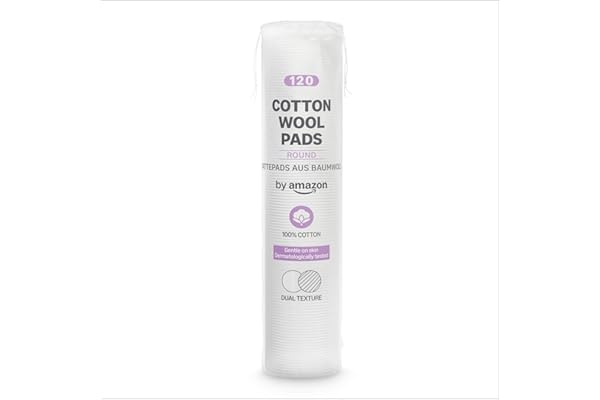
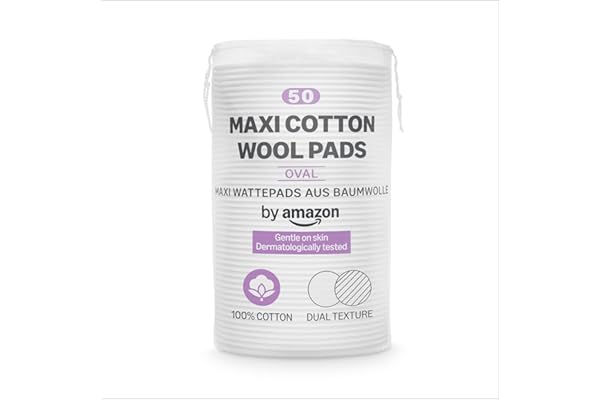
As an Amazon Associate we earn from qualifying purchases.